Consul
Consul is a popular open source tool developed by HashiCorp for service discovery, service mesh, and configuration management. It provides a centralized platform for service-oriented architectures, enabling services to register and discover each other using DNS or HTTP interfaces. Consul also includes a key-value store for storing configuration data and can be used to manage the health of services. Additionally, it offers advanced features such as distributed application monitoring, multi-datacenter support, and service segmentation, making it a powerful tool for managing modern distributed systems. Consul is widely used by organizations of all sizes, including some of the largest tech companies in the world.
Core building blocks
- Agents (client/server) register services, run health checks, gossip membership.
- Catalog stores service/node metadata; health tracks check status.
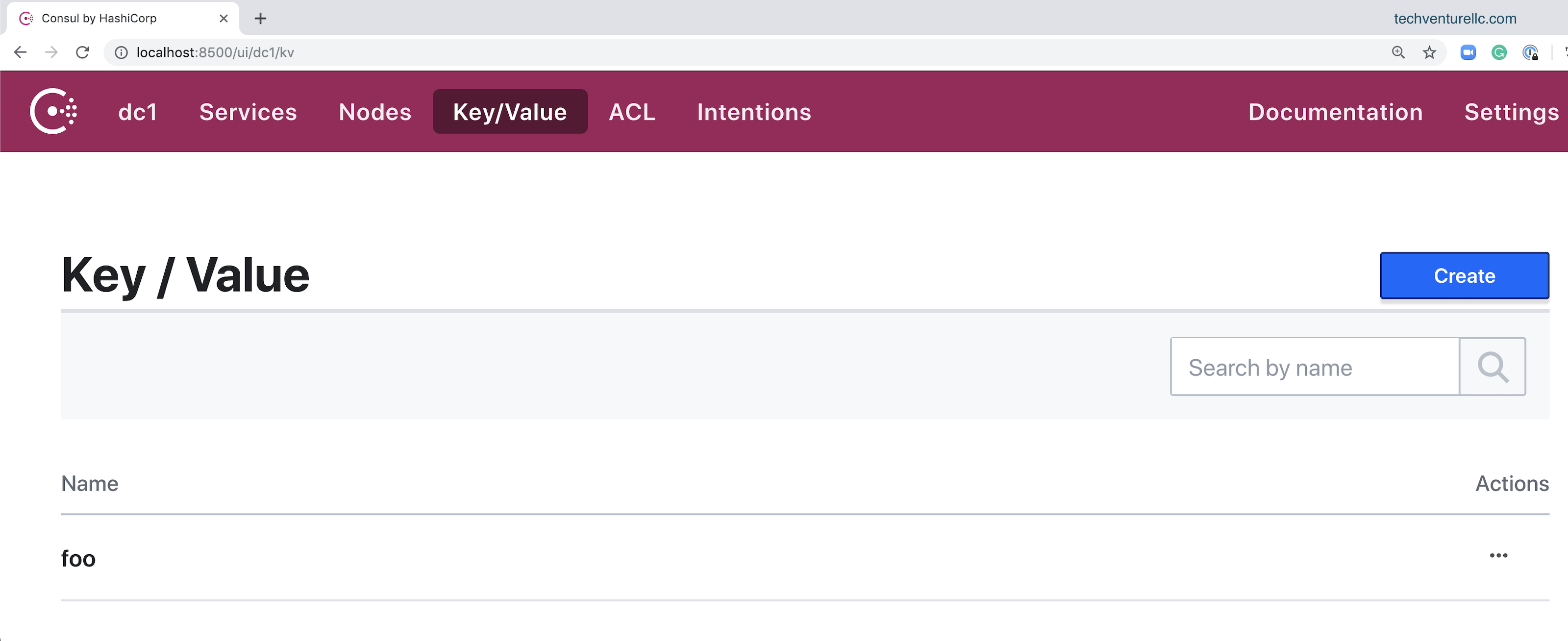
- KV for configuration/feature flags; supports watch patterns.
- Connect provides service mesh with built‑in mTLS and intentions (L7 allow/deny).
- ACLs secure access to catalog, KV, intentions, and more.
- DNS/HTTP API for discovery from any runtime, not just sidecars.
Concepts & Q&A
When should we use consul ?
Consul can be used in a variety of scenarios where service discovery, service mesh, and configuration management are needed to manage distributed systems. Here are some examples of when to use Consul:
- Service discovery: When you have a large number of services that need to communicate with each other in a dynamic environment, Consul can help you discover and locate these services using DNS or HTTP interfaces.
- Service mesh: When you need to manage the traffic between services, Consul can be used to create a service mesh that provides advanced features such as load balancing, circuit breaking, and distributed tracing.
- Configuration management: When you need to manage the configuration of your services and applications, Consul's key-value store can be used to store and distribute configuration data across your infrastructure.
- Multi-datacenter support: When you have services that need to be deployed across multiple data centers, Consul can help you manage the communication and coordination between these services.
- Application monitoring: When you need to monitor the health and performance of your applications, Consul can provide distributed application monitoring, which allows you to collect metrics and trace requests across your infrastructure.
what problems does consul solves ?
Consul is a powerful tool that is designed to solve several problems related to managing distributed systems. Here are some of the key problems that Consul can help solve:
- Service Discovery: In a distributed system with many services, it can be difficult to keep track of where each service is located and what its current state is. Consul provides a mechanism for service discovery, allowing services to register and discover each other using DNS or HTTP interfaces.
- Service Mesh: A service mesh is a layer of infrastructure that manages the communication between services in a distributed system. Consul can be used as a service mesh, providing advanced traffic management and security features such as traffic routing, load balancing, and mutual TLS encryption.
- Configuration Management: In a distributed system, managing configuration data can be a challenge, particularly when services may be running on different hosts or in different environments. Consul includes a key-value store that can be used for storing configuration data, allowing you to manage settings for your services and applications in a centralized location.
- Health Checking: In a distributed system, it is important to monitor the health of your services and automatically remove unhealthy instances. Consul includes a built-in health checking mechanism that can be used to monitor the health of your services and automatically remove unhealthy instances.
- Multi-Datacenter Deployment: In a global-scale deployment, it is often necessary to manage services across multiple regions and environments. Consul supports multi-datacenter deployment, allowing you to manage services across multiple regions and environments.
Conclusion
Overall, Consul is a highly flexible and configurable tool that can be used in a variety of ways to help manage modern distributed systems. It is widely used by organizations of all sizes, from small startups to large enterprises, and has become an essential tool for many DevOps and infrastructure teams.